Supporting stronger workforce and training pathways in Te Hiku starts with understanding what training is needed, where and how it should be delivered, and which areas may require future investment.
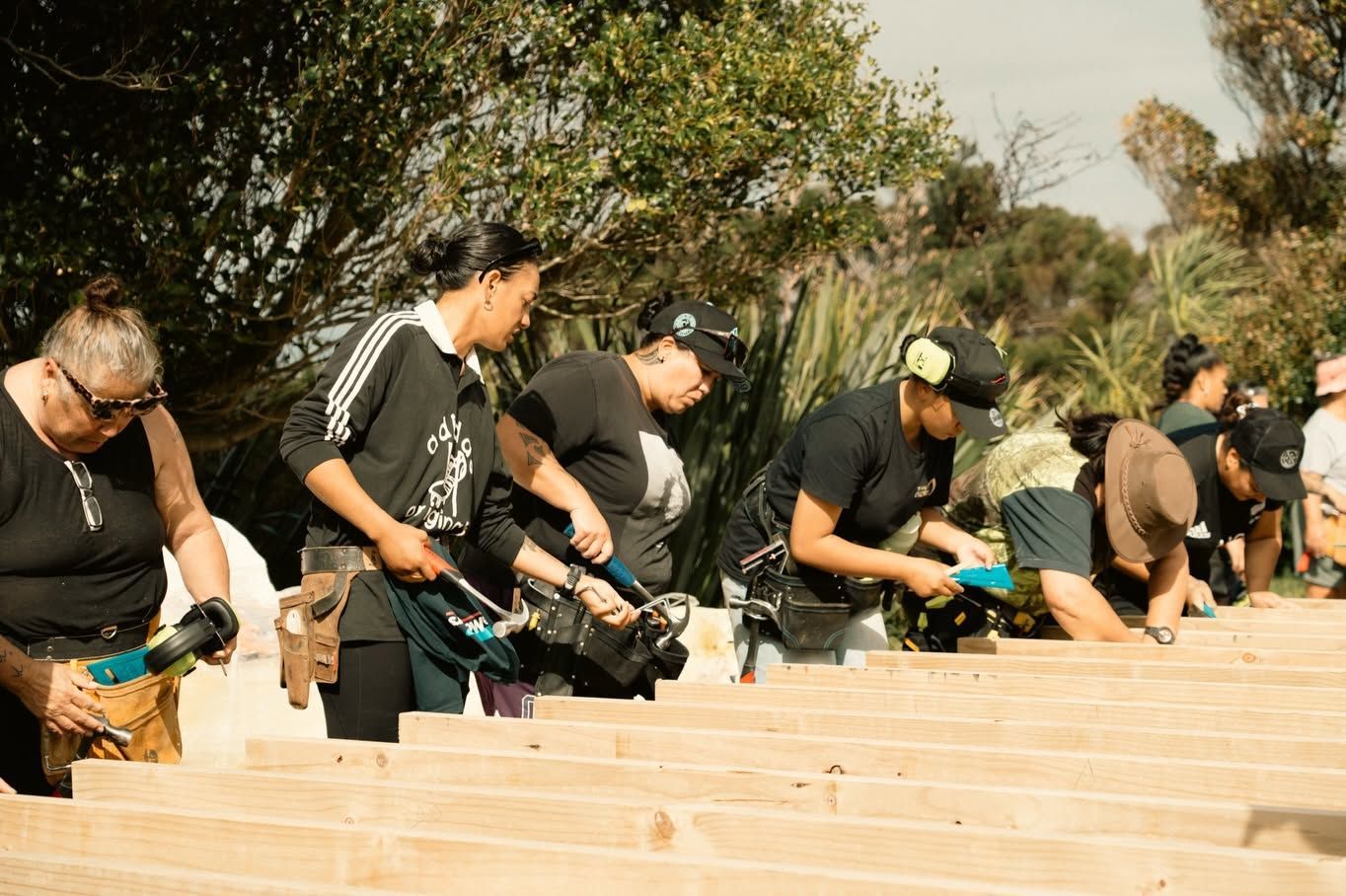
The first Te Hiku Workforce Insights Report brings together local and national data, workforce trends, employer feedback, whānau voice and insights gathered through engagement with Te Hiku Iwi, training providers, employers, local communities and industry groups to help build this understanding.
Prepared by the Te Hiku–Crown Joint Work Programme, the report responds to requests from training providers, employers, Te Hiku Iwi and government agencies for a stronger local evidence base. It provides insights into workforce demand, learner needs, training opportunities and the barriers affecting participation for Te Hiku whānau.
What the report highlights
Te Hiku has a young and growing population, with opportunities emerging across housing and infrastructure, healthcare, renewable energy, environmental resilience, food production, digital capability and local enterprise.
Te Hiku whānau aspirations align strongly with areas of workforce demand, particularly across healthcare, education, trades, social services, Te Reo Māori, business administration and practical vocational pathways. However, rurality, transport costs, lower household incomes, caregiving responsibilities and limited local provision continue to affect participation in training and employment opportunities.
The findings highlight the importance of flexible, locally delivered, workplace-based, modular and culturally responsive training pathways that reflect the realities of rural communities, working adults, caregivers and rangatahi.
The report identifies five areas where stronger alignment and coordinated action could support Te Hiku:
- Align training with workforce demand and regional development opportunities
- Expand flexible and local training delivery
- Increase the focus on adult learners and workforce transitions
- Strengthen learner navigation and transition support
- Strengthen partnerships with Te Hiku Iwi and employers
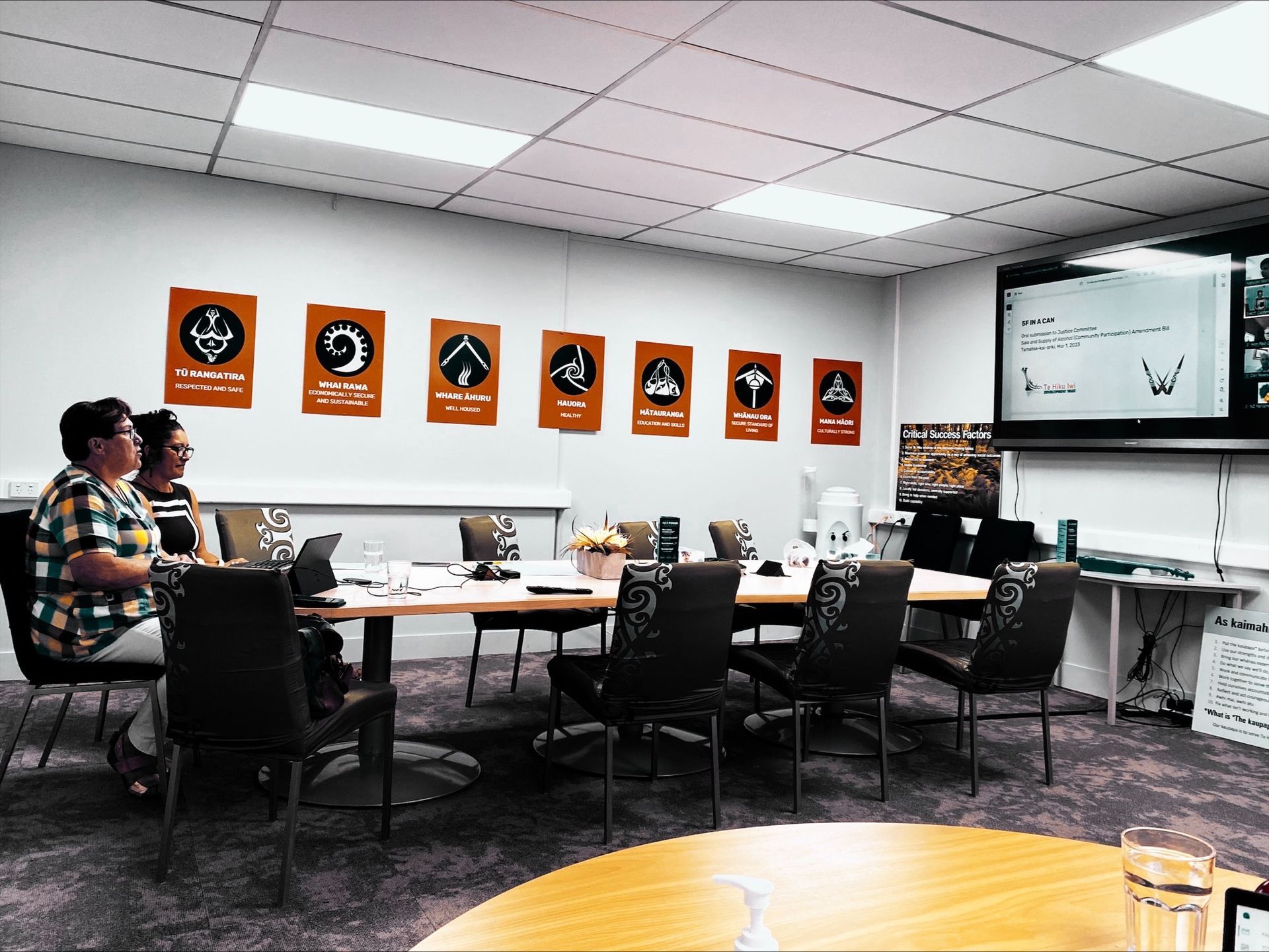
These recommendations align directly with four social wellbeing outcomes set out in the Te Hiku Iwi–Crown Social Development and Wellbeing Accord:
- Mātauranga: Education and Skills
- Whai Rawa: Economically Secure and Sustainable
- Whānau Ora: Secure Standard of Living
- Mana Māori: Culturally Strong
For Te Hiku whānau, this means supporting better access to education and skills, stronger pathways into sustainable employment, greater economic security and training that reflects their cultural identity, needs and aspirations.
Using the report
The report can help training providers, employers, Te Hiku Iwi, industry groups and government agencies consider what training is needed, where and how it could be delivered, and which areas may require future investment in Te Hiku.