
The Te Hiku-Crown Joint Work Programme (JWP) supports the partnership between Te Hiku Iwi and the Crown, as set out in the Te Hiku Iwi – Crown Social Development and Wellbeing Accord. We do not deliver or fund services, our role is to enable system change so government systems better reflect and respond to the needs and aspirations of Te Hiku whānau.
Guided by whānau voice and Iwi priorities, we identify system barriers and support the co-design of practical solutions across areas such as housing, health, education, and economic wellbeing.
We work alongside partners to support the change whānau want to see.
Shaping Change Together
Working on the system to remove barriers, and with the system to design practical solutions

On the System
Identifying and helping to remove systemic barriers, influencing policies, funding allocation, and delivery settings at local, regional, and national levels to create conditions where Te Hiku whānau can thrive.

With the System
Co-designing and testing new approaches when existing models fall short, ensuring practical and evidence-informed solutions are ready for delivery partners.
Whānau Voice at the Centre
Grounding system change in the lived experiences and aspirations of Te Hiku whānau
At the heart of JWP is whānau voice, alongside the priorities set by Te Hiku Iwi in the Social Wellbeing Accord. Through hui, surveys, and one-on-one kōrero, we listen to the lived experiences and aspirations of Te Hiku whānau.
Together, whānau voice and Iwi priorities guide our work and the system changes we advocate for. This helps government systems better reflect these needs and realities by informing and influencing policy, planning, procurement and service delivery to support the shared wellbeing outcomes of the Social Wellbeing Accord.
Our Shared Outcomes
Together, we work toward the seven wellbeing outcomes that reflect what matters most for Te Hiku whānau
Mana Māori
Culturally strong

Hauora
Healthy
Whare Āhuru
Well housed
Tū Rangatira
Respected and safe
Whai Rawa
Economically secure and sustainable

Whānau Ora
Secure standard of living
Mātauranga
Education and skills
Each outcome supports the needs and aspirations of Te Hiku whānau, with the shared goal of achieving orangatonutanga (wellbeing). Collectively, they provide a foundation for positive change in Te Hiku, where whānau, hapū, Iwi and communities are culturally, socially and economically prosperous.
Our Enabling Roles & Function
JWP’s enabling roles & function help create the conditions for system change in Te Hiku
View how we support system change
Our role and function focus on strengthening connections, removing barriers, and supporting Iwi, hapū, whānau, and partners to achieve our shared outcomes.
- Partner in design of a pathway/regional approach to deliver on Te Hiku whānau needs and aspirations (as referenced in the Te Hiku Social Wellbeing Accord)
- Review and recommend the outcomes, indicators, and methodologies to be used to measure impact for/with whānau
- Function to ensure integration, coordination, and consistency of services to/with whānau
- Review all processes (including procurement processes), services, and policy which support these services to whānau, and specify necessary adjustments
- Clarify system solutions and address system blockages to better serve whānau
- Capture and channel effective practice into system
- Design/incubation of services (for handing off to effective service providers) where gaps and opportunities are identified
- Inform/support effective Crown–Iwi partnership development
- Monitoring and evaluation for outcome-level impact of the regional programme for Te Hiku whānau
- Support iwi-led economic development by appraising for viability and supporting capacity building for long-term sustainability
- Inform infrastructure development necessary for economic development
- Inform and build whānau & community capability required to support both iwi-led and other economic initiatives in the region
- Identify, connect, and prepare partner organisations and programmes to support whānau members in engaging effectively with economic initiatives
- Review and inform existing programmes which prepare whānau for economic development opportunities
What JWP is not :
- A deliverer of services
- A duplicate funding commissioning body (this does not include the role to build and enable community capability)
- Direct policy writing (this does not include the role to review and direct policy-related issues)
Success Stories of JWP
Examples of system change in action across Te Hiku
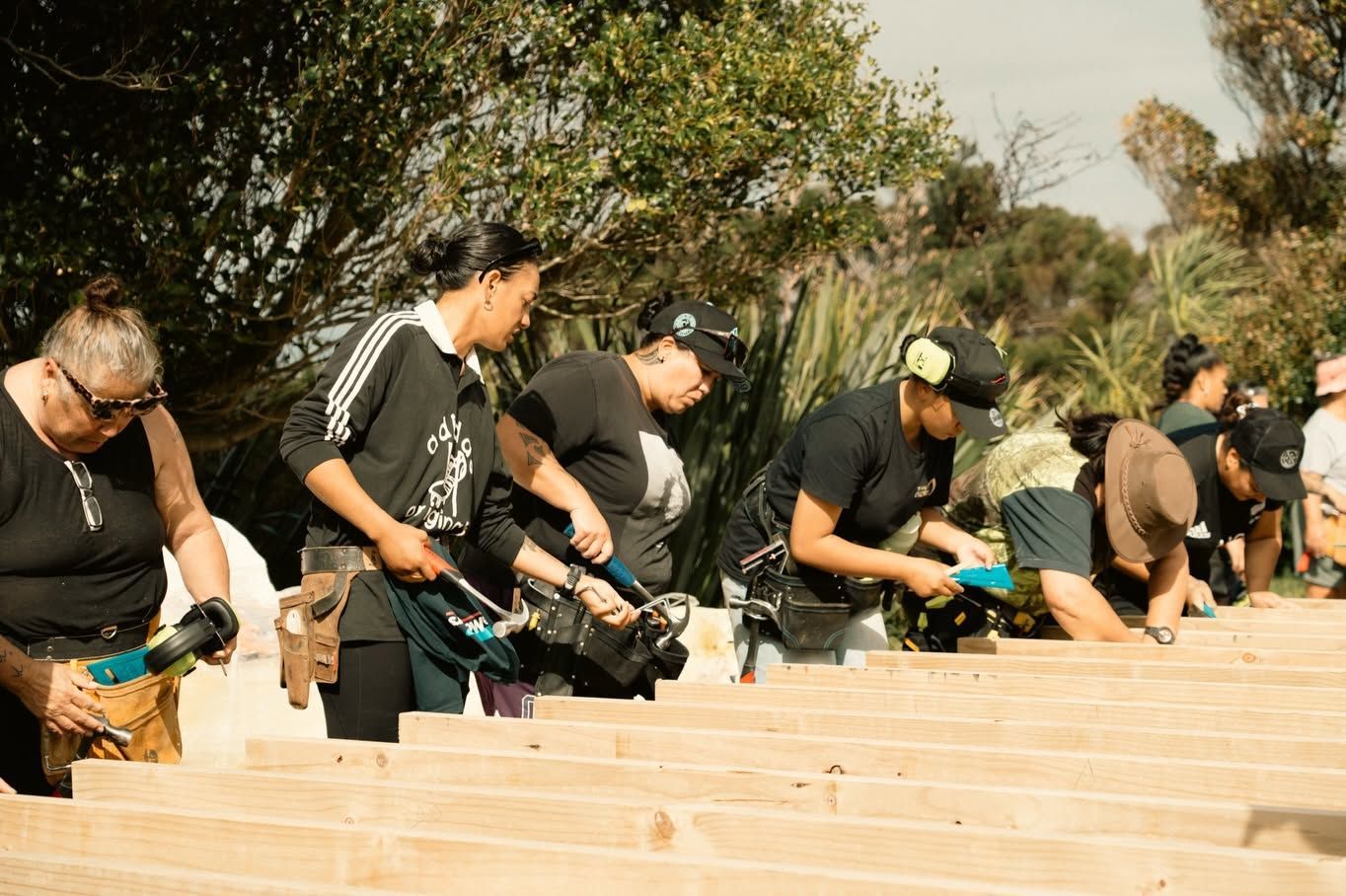
Tupu Training and Employment Programme
JWP co-designed the Tupu model with local businesses to address high unemployment and seasonal work.
The programme is Iwi-led, with JWP connecting partners, shaping training-to-employment pathways, and supporting their adaptation into new sectors.
By aligning partners and removing system barriers, JWP has helped Iwi establish sustainable pathways that enable whānau to secure long-term employment in industries vital to the region’s growth. Initially focused on horticulture, with Te Rarawa as the project lead, Tupu has since expanded into trades such as plumbing, led by Te Aupōuri, and linked to opportunities from the Puna Wai Ora initiative.
Puna Wai Ora Project
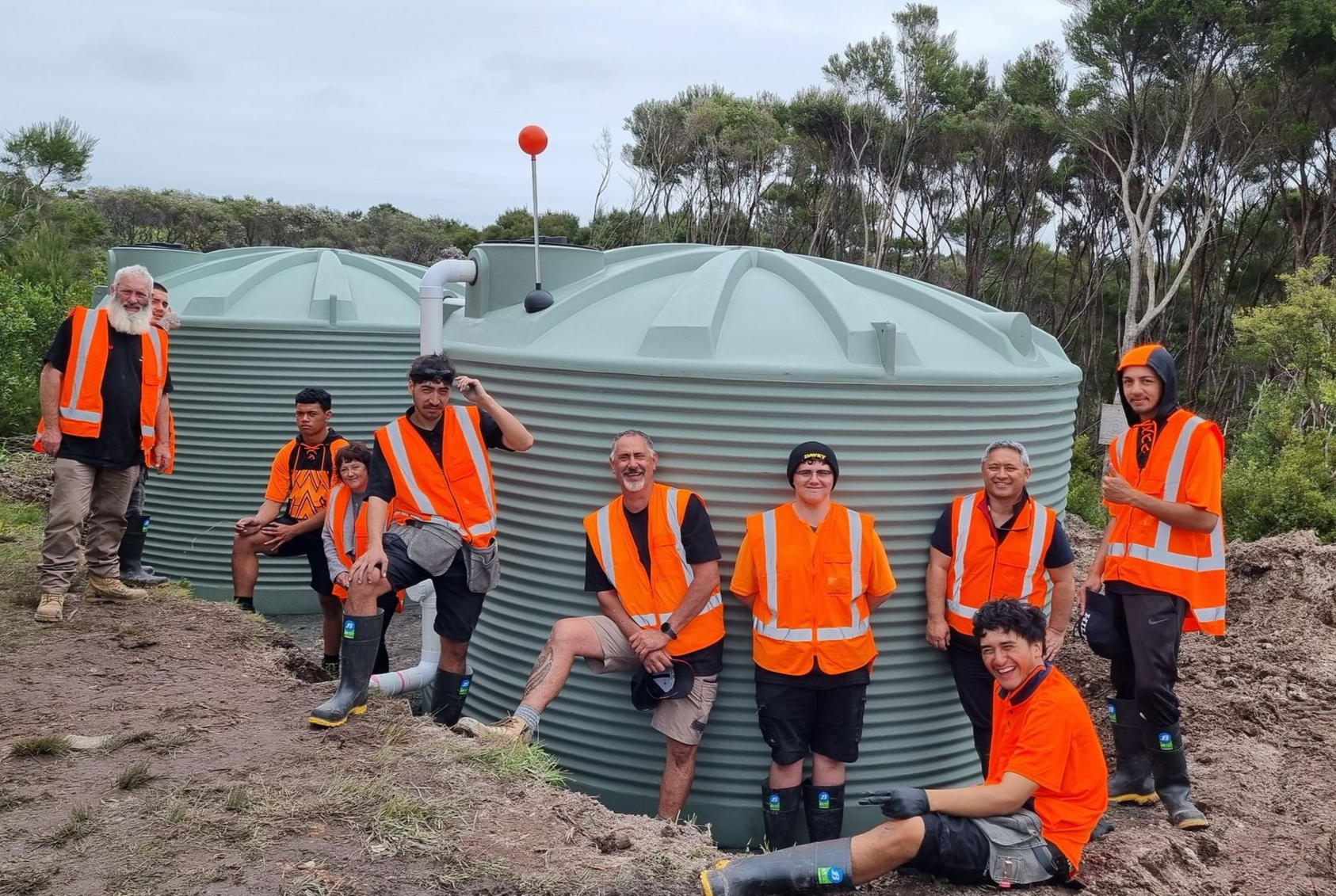
JWP worked alongside the National Emergency Management Agency and Social Accord partners to co-design and coordinate the Te Hiku Drought Relief initiative. Our role focused on ensuring whānau voice shaped priorities, aligning partners, and removing system barriers to support this Iwi-led initiative.
The programme was led by Te Rūnanga Nui o Te Aupōuri, who oversaw delivery over three years. Over 500 water tank systems were installed across Te Hiku, ensuring whānau have continued access to clean drinking water, and marae can serve as central water sources for kāinga.
By strengthening collaboration and removing roadblocks, JWP helped set delivery partners up for success, reducing drought impact, improving water security, and increasing climate resilience for whānau and marae.
“The economic benefit of having local kaimahi, plumbers, builders and installers will put extra pūtea into our local businesses – a quadruple social impact multiplier for Te Hiku whānau.”
– Haami Piripi, former Te Rarawa Chairman (2021), Puna Waiora initiative
Key Reports & Updates
Reports featured below include both Joint Work Programme reports and externally authored reports relevant to Te Hiku


The Difference We Make
Locally led, regionally enabled, and centrally supported, JWP ensures whānau voices and Iwi priorities inform system change. We work at local, regional, and national levels to remove barriers and create the conditions for social, cultural, and economic wellbeing in Te Hiku.
Our place-based model demonstrates how Iwi and the Crown can work more effectively together — here in Te Hiku and across Aotearoa.