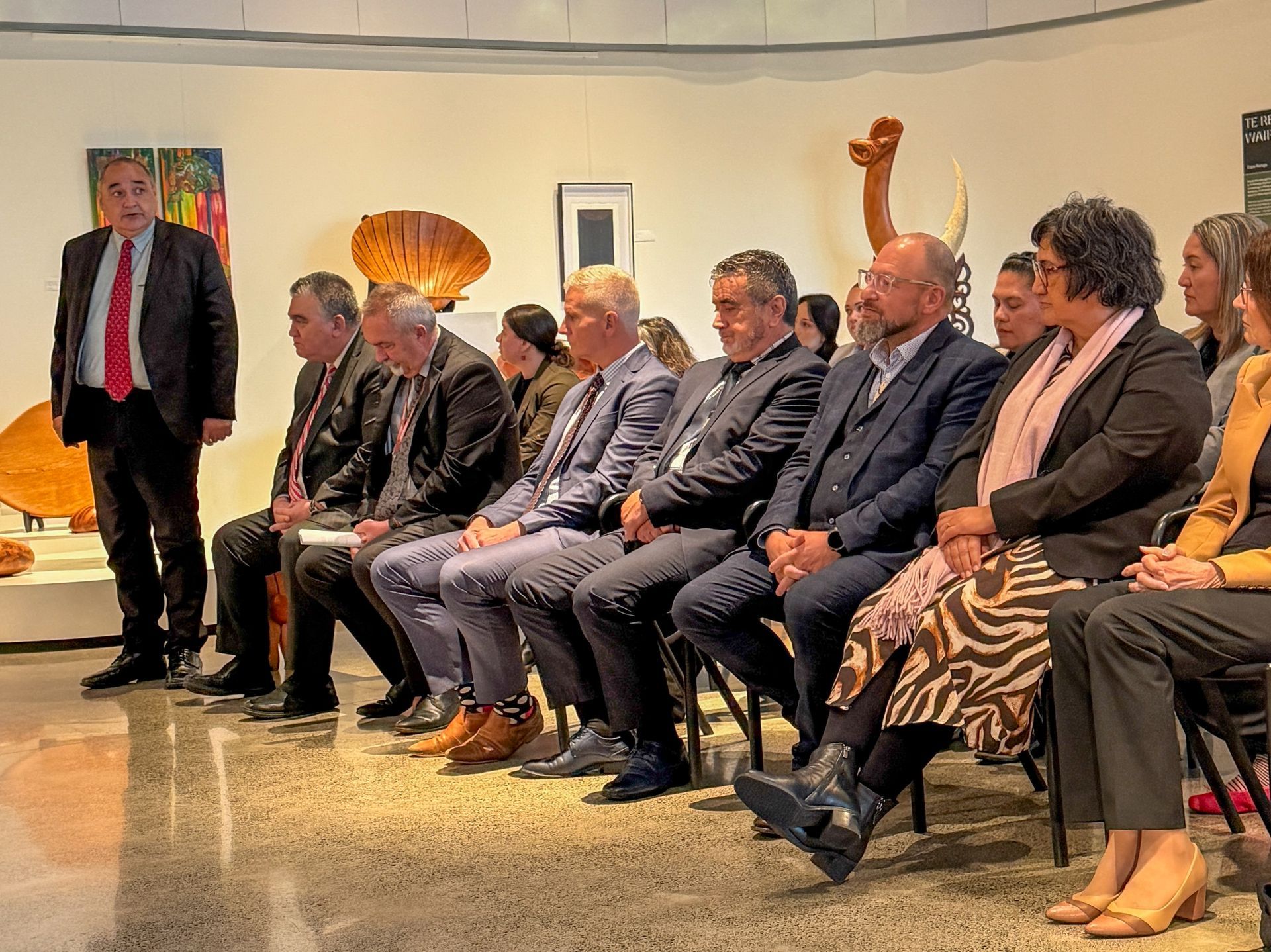
News and Announcements

Pānui

By comms tehikuiwi November 19, 2025
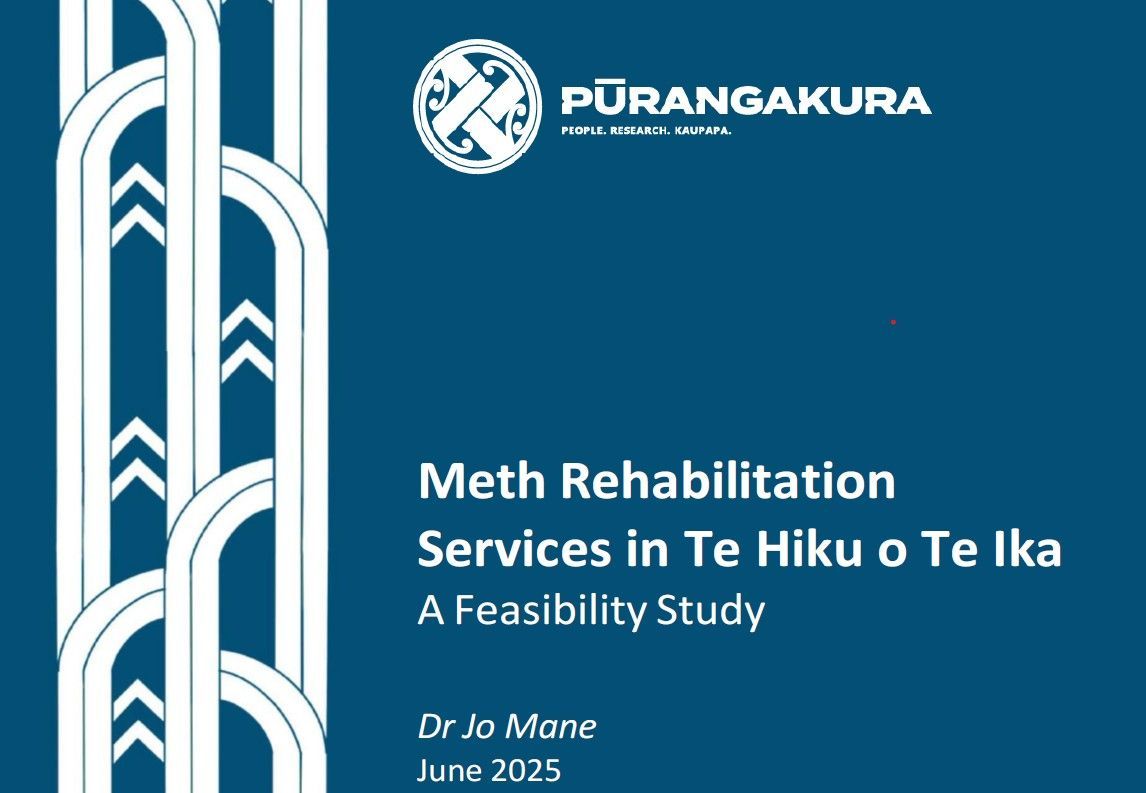
Feasibility study provides roadmap as government commits investment into communities hardest hit by meth harm.
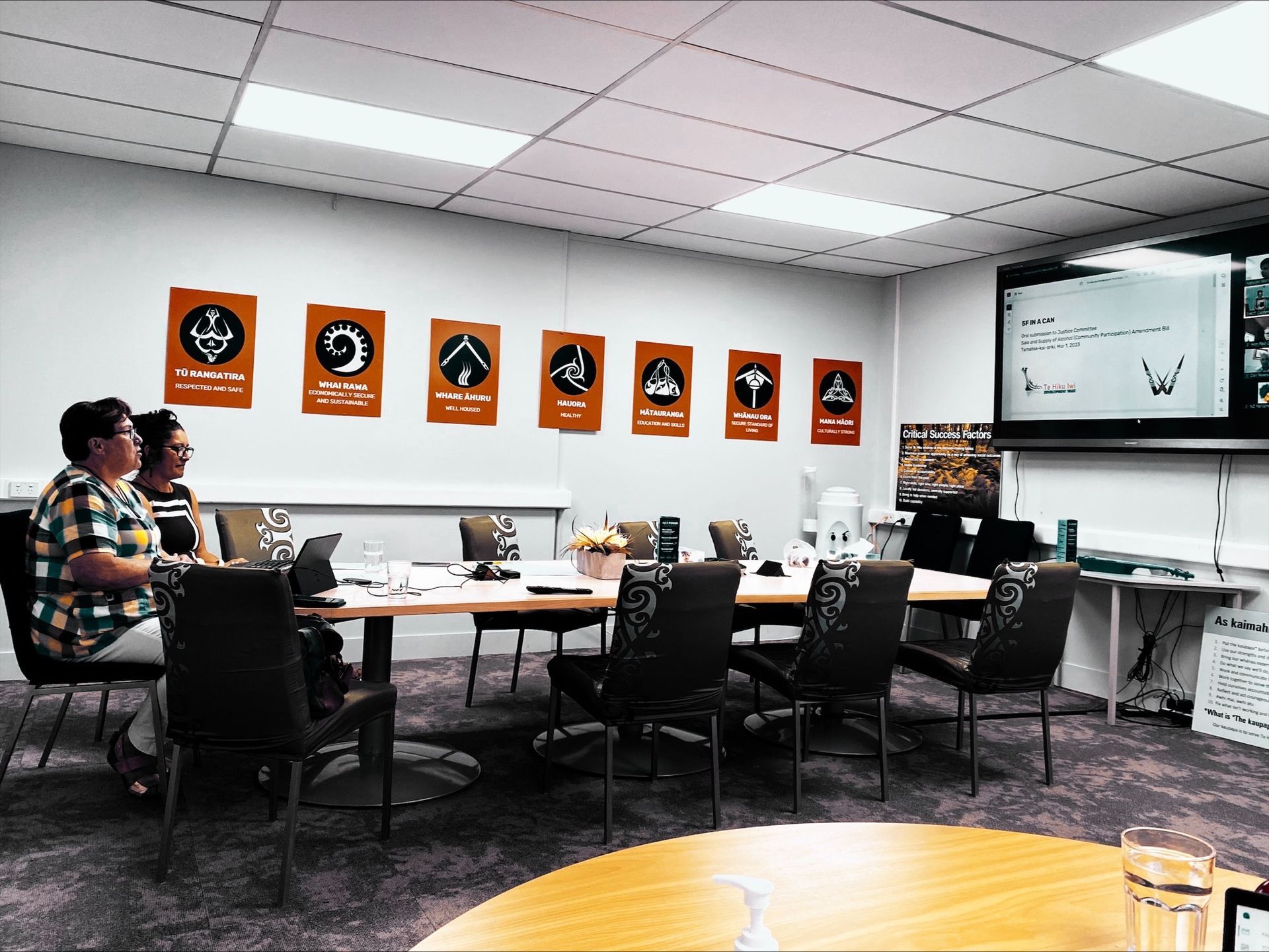
March 9, 2023
Te Hiku Iwi Development Trust carry Te Hiku o Te Ika Whānau Voice into the Justice Committee Whare
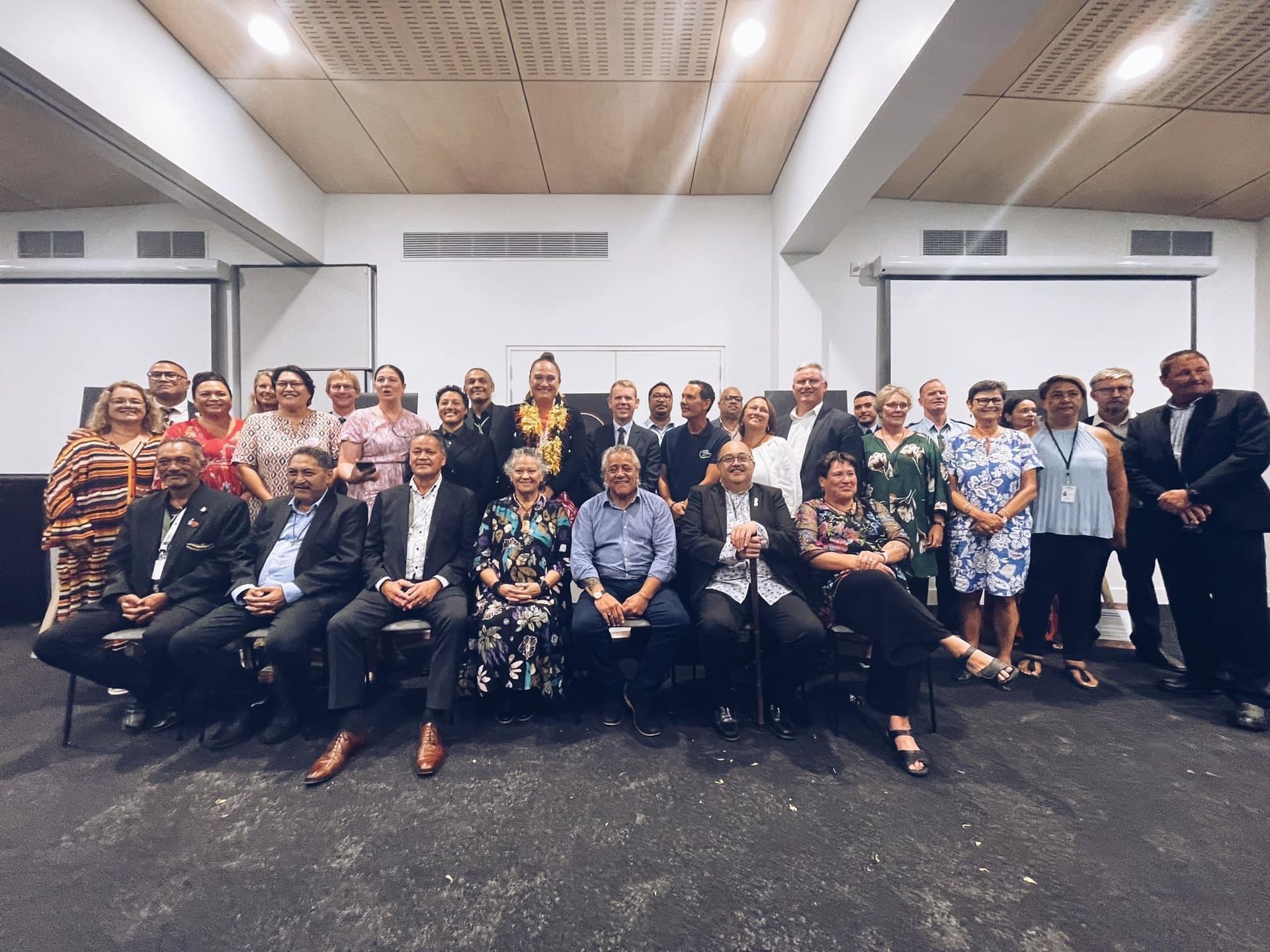
February 6, 2023
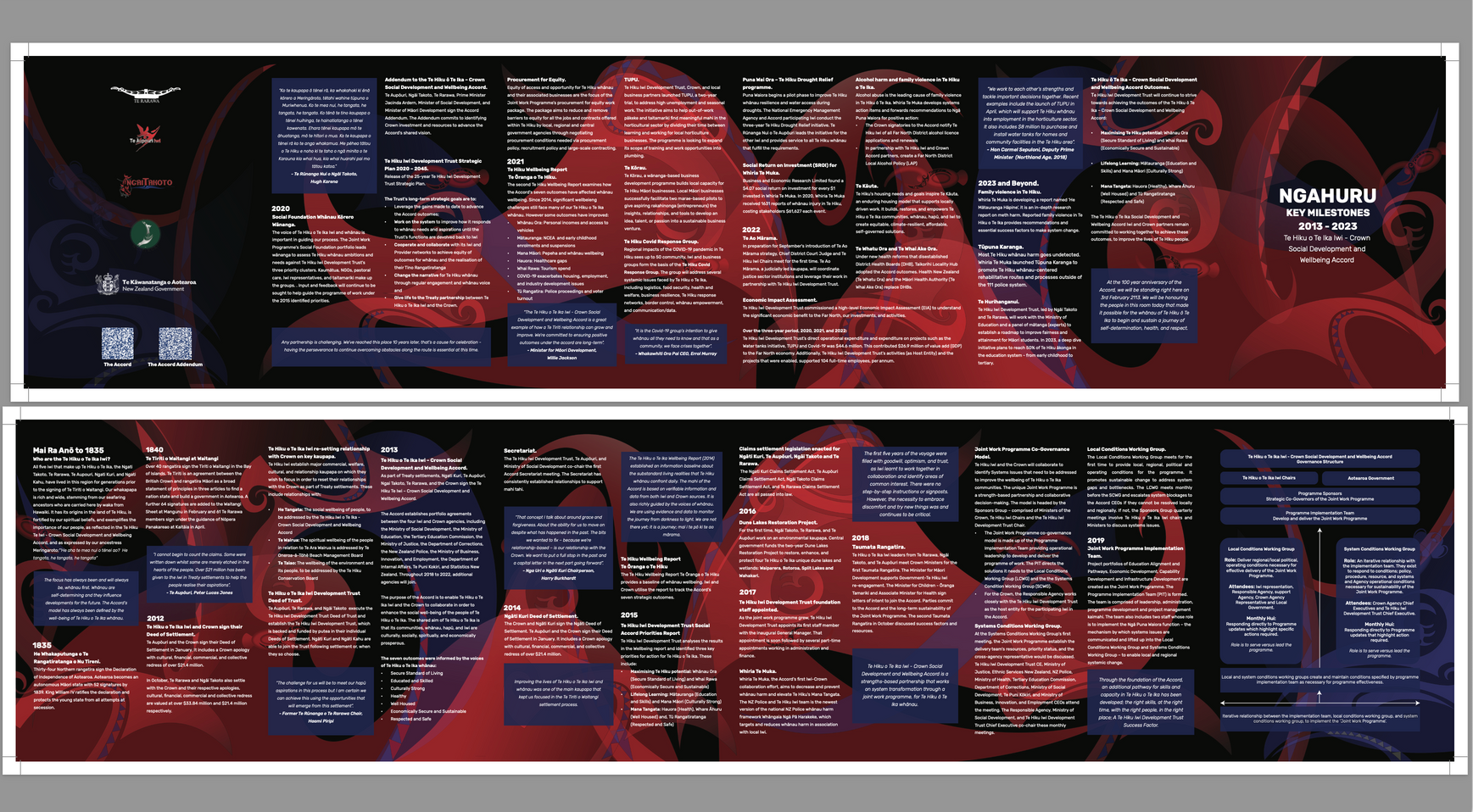
Ngahuru Media Release
December 13, 2022
2023 Tai tokerau Māori Business Awards
August 1, 2022
Rhonda Kita, Te Hiku Iwi Development Trust Chairman inducted into Hall of Fame
By Hannah Te hiku Staff June 17, 2022
Top district court judge visits Kaitaia to consult on new justice model.
March 23, 2022
Climate Change Engagement. "Ministry for the Environment's climate change work programme is focused on reducing greenhouse gas emissions and adapting to a changing climate. Ministry for the Environment are holding workshops to engage with Māori on climate change adaptation and the distinct issues this raises for Māori in relation to natural resources, the environment, and Māori land".
December 22, 2021
Unprecedented. This is the kupu that has been traipsing circles through my mind since the government announced the lifting of the border that has been surrounding Auckland for what seems like aeons. For us in Te Hiku ō Te Ika, the act of holding our breath has become an art form. We have felt the longing for our loved ones barricaded in by our mutual enemy. Just like the yearning of Ranginui for his whaiāipō Papatūānuku, we have shed tears. We have felt the deep absence in each other’s lives.
December 12, 2021
DATE: Friday December 10 2021 MEDIA RELEASE: For immediate release Whiria Te Muka investment in whānau harm reduction and prevention pays off four-fold Almost four years into the work and the Crown-Te Hiku Iwi investment in reducing and preventing whānau harm in Te Hiku is firmly in the green. A recent Social Return on Investment (SROI) analysis has concluded that for every $1 invested in Whiria Te Muka, there is a $4.07 return. The findings have also affirmed that every incident of reported whānau harm in Te Hiku costs $61,627 to stakeholders. Whiria Te Muka is the NZ Police-Te Hiku Iwi partnership that was launched in 2017 to support whānau experiencing harm to move towards Mana Tangata. The analysis was completed by Business and Economic and Research Limited (BERL) and evaluated the long-term outcomes of Whiria Te Muka, including the reduction and prevention of whānau harm, a strong Crown-Iwi partnership and Mana Tangata or Mana Whānui.  Whiria Te Muka worked on 976 reported incidents in 2018, 1390 in 2019, 1631 in 2020 and 975 to August 31 this year. Although reported family harm has increased, 896 whānau have moved from high to low risk. “We have seen more whānau building confidence to ring 111 before the harm escalates. We expect numbers of whānau harm will continue to rise as our communities build more trust in NZ Police and the 111 system,” says Whiria Te Muka Iwi Co-Director Callie Corrigan. Northland Police District Commander Superintendent Tony Hill agrees that the report demonstrates that the work that Whiria Te Muka is doing is having a significant impact on whānau harm in Te Hiku. “Whilst the return on investment is extremely good, what is potentially equally as important is what we’re hearing from whānau who have been through family harm where Whiria Te Muka have assisted their transition into a place of safety. For many they have lived with family harm in their household for many years, and finally they are getting the resources and ability to be able to manage their lives in the absence of harm,” he says. Te Rarawa Chairman and Whiria Te Muka Leader Haami Piripi says the opportunities for iwi development and a prevention focus have emerged as opportunities. “This encourages more participation by another genre of stakeholders who can make a tremendous difference to the current scenario of reactionary responses by going back down the pipeline to cognitive and behavioural understanding about prevention,” he says. He adds that Te Hiku Iwi need to better understand the nature of whānau harm in Far North communities and the Whiria Te Muka evaluation has provided indicators for how well it is doing and how far there is to go. “This is so cutting edge from my point of view as a social scientist and I think it’s great. But I’m also an an Iwi leader with responsibilities and obligations to love and protect every one of them. We’ve all got a story about whānau harm and it just spreads insidiously right through the community. Ending violence in our home is what drives me,” he says. The report also looked at how the Crown-Iwi partnership is working by rating a number of critical success factors. Overall, the report concluded that Whiria Te Muka is in a unique and strong position to affect systemic change and better support people experiencing whānau harm in Te Hiku. Callie says the BERL result provides Whiria Te Muka with a whāriki or foundation to start measuring the strength of partnership. “Partnership is hard. You don’t just have a strong relationship overnight. But this helps us understand the areas we’re doing really well in, while also highlighting the areas we need to improve upon. We look forward to identifying how we can start strengthening those,” she says. The report was completed by analysing interviews with frontline Iwi and Police staff and management, as well as reviewing the unique quantitative and qualitative data that is held by Whiria Te Muka. BERL chief economist Hillmarè Schulze says a SROI model is a method for measuring values that are not traditionally reflected in a financial statement – including cultural, social, economic and environmental values. “It can identify how effectively a programme uses its capital and other resources to create value for the community. The overall objective of an SROI analysis is to measure social return on investment by documenting and evaluating the impacts of social change,” she says. However, Hillmarè adds that Whiria Te Muka cannot take credit for all of the change in whānau lives. “We know the Whiria Te Muka team is amazing, but they can’t claim to be responsible for all the impact. We know that there is a whole community of other agencies looking to reduce whānau harm. Collectively, the agencies contribute to reducing whānau harm,” she says. Callie says the report starts to provide Whiria Te Muka with the financial benefit of partnership and the financial value of cultural capital, which is often undermined in system change. ENDS For more information: Whiria Te Muka Kaiwhakapā Erena Hodgkinson erena@tehikuiwi.com 022 403 6122
Show More

DOCUMENTS AND RESOURCES FOR DOWNLOAD
Acknowledgements

We would like to acknowledge the following people for their mahi which includes the designing of our logo and organisational headings and photos.


Photography – Suzie Clark


Graphic Art and Māori Icons – Richard Murray

The Kina – Tania TePaa

Background images – Corey Bond


Special thanks to:


Maureen Te Paa

Danell Anderson

Anna Sutton

Ngā mihi.